Article: Niche vs. Designer Perfumes: What Makes Them Different?
Niche vs. Designer Perfumes: What Makes Them Different?
Beyond familiar fragrances lies a world of individuality, rare ingredients and the art of perfumery.
Walk through almost any department store, and you'll encounter familiar perfume names, recognizable bottles and fragrances worn by millions.
But beyond the world of mainstream perfumery exists something different.
A world where fragrance is not simply another product in a fashion collection, but the very reason a brand exists.
Welcome to niche perfumery.
For fragrance lovers seeking individuality, depth and something beyond the familiar, niche perfumes offer an entirely different approach to scent.
So what makes niche fragrances different from designer perfumes? Why do they often cost more? And are they worth discovering?
What Is the Difference Between Niche and Designer Perfumes?
The fundamental difference begins with the philosophy behind the fragrance.
Designer perfumes are generally created under established fashion and luxury brands. Their fragrances form part of a larger commercial portfolio that may include clothing, handbags, cosmetics and accessories.
Because they are often developed for international distribution, commercial appeal plays an important role in their development.
Niche perfumes, by contrast, come from houses dedicated primarily to fragrance itself.
Their identity is built around perfumery, often with greater emphasis on creative expression, distinctive compositions and a recognizable olfactory philosophy.
Rather than asking what fragrance will appeal to the largest possible audience, an independent niche perfumer has the freedom to ask a different question:
What fragrance is worth creating?
That difference in approach can be experienced in the finished composition.
1. Creativity Beyond the Familiar
One of the defining attractions of niche perfumery is creative freedom.
Mainstream fragrance development often considers broad consumer preferences, market research and commercial trends.
Independent niche houses can pursue more personal interpretations of fragrance, exploring unusual contrasts, complex accords and compositions that do not necessarily follow current trends.
Consider LESCENTO ROSX.
Rather than presenting rose as a conventional sweet floral fragrance, ROSX explores the atmosphere of a rose garden after rainfall. Bulgarian rose, cumin, jasmine sambac, patchouli and cedarwood create a composition with floral beauty, spice and earthy depth.
Or LESCENTO PARADIS BRÛLÉ, where vanilla absolute meets black pepper, ginger, guaiacwood and vetiver.
The result is an interpretation of vanilla that moves beyond simple sweetness into warmth, woods and smoke.
This is one of the pleasures of niche perfumery: discovering familiar ingredients expressed in unexpected ways.
2. Ingredients: The Art Behind the Composition
Ingredients play a central role in how a fragrance develops, feels and expresses its character.
Niche perfumers may choose to work with distinctive botanical extracts, precious absolutes, carefully selected essential oils and sophisticated synthetic aroma molecules.
Some natural materials require significant quantities of botanical matter to produce relatively small amounts of aromatic extract. Their cost can be influenced by agricultural conditions, harvesting, extraction methods, availability and quality.
Rose absolute, jasmine sambac absolute, vanilla absolute and certain sandalwood materials are examples of ingredients that can command substantial prices depending on their origin and grade.
But natural ingredients alone do not define luxury.
Modern perfumery also relies on synthetic aroma molecules that provide effects difficult or impossible to obtain from nature, including certain musks, transparent woods and contemporary amber accords.
The artistry lies in how these materials are selected, balanced and brought together.
Inside LESCENTO's Ingredient Philosophy
At LESCENTO, compositions bring together natural aromatic materials, including mostly organic essential oils and absolutes, with carefully selected modern synthetic ingredients.
The house formulates without added parabens, phthalates, synthetic dyes or UV filters.
This approach allows natural ingredients to contribute their botanical character while modern aroma molecules provide additional texture, diffusion and structure.
For example:
-
CACHÉ explores the richness of jasmine sambac, ylang-ylang, tonka, sandalwood, labdanum and vanilla absolute.
-
BERGAMOT IONIO draws inspiration from Calabrian bergamot, complemented by cedarwood Atlas, Cashmeran, vetiver and amberwood.
-
PARADIS BRÛLÉ brings together vanilla absolute, guaiacwood, patchouli and sandalwood in a smoky, warm composition.
-
ROSX takes inspiration from Bulgarian rose, jasmine sambac, cedarwood Atlas and benzoin.
These materials are not chosen simply because they sound luxurious. Their purpose is to create a specific olfactory experience, where each note contributes to the identity of the fragrance.
3. Why Are Niche Perfumes Often More Expensive?
The price of a niche perfume can reflect several factors that go beyond the bottle itself.
Ingredient selection. Certain essential oils, botanical absolutes and specialty aroma materials can be costly to source. Independent houses may choose materials for their particular olfactory qualities rather than prioritizing the lowest possible ingredient cost.
Smaller production volumes. Producing fragrances in smaller batches can mean higher per-unit costs for ingredients, packaging, filling and manufacturing.
Creative development. Building a distinctive composition requires formulation, experimentation, refinement and testing. A fragrance may go through numerous iterations before reaching its final expression.
Selective distribution. Independent perfume houses may work with specialized perfumeries and smaller retail networks rather than relying on mass market distribution.
At LESCENTO, fragrances are handcrafted in small batches and undergo a maturation period of approximately six to eight weeks as part of the house's production process.
This approach reflects a deliberate preference for controlled production and attention to the finished fragrance.
Of course, a higher price does not automatically guarantee superior ingredients or performance. Not every niche house uses expensive naturals, and ingredient costs are only one part of a perfume's retail price.
But for those who appreciate craftsmanship, thoughtful composition and a distinctive creative identity, the value of niche perfumery extends beyond the fragrance's ingredients alone.
4. Are Niche Perfumes More Unique?
Individuality is one of the strongest reasons fragrance enthusiasts turn toward niche houses.
Popular designer fragrances are often widely distributed and immediately recognizable. Their success can make certain scent profiles feel familiar.
Niche perfumery offers an opportunity to explore compositions outside those familiar references.
Take LESCENTO PHYRE, which contrasts bergamot and ginger with patchouli, sandalwood, musk and amber.
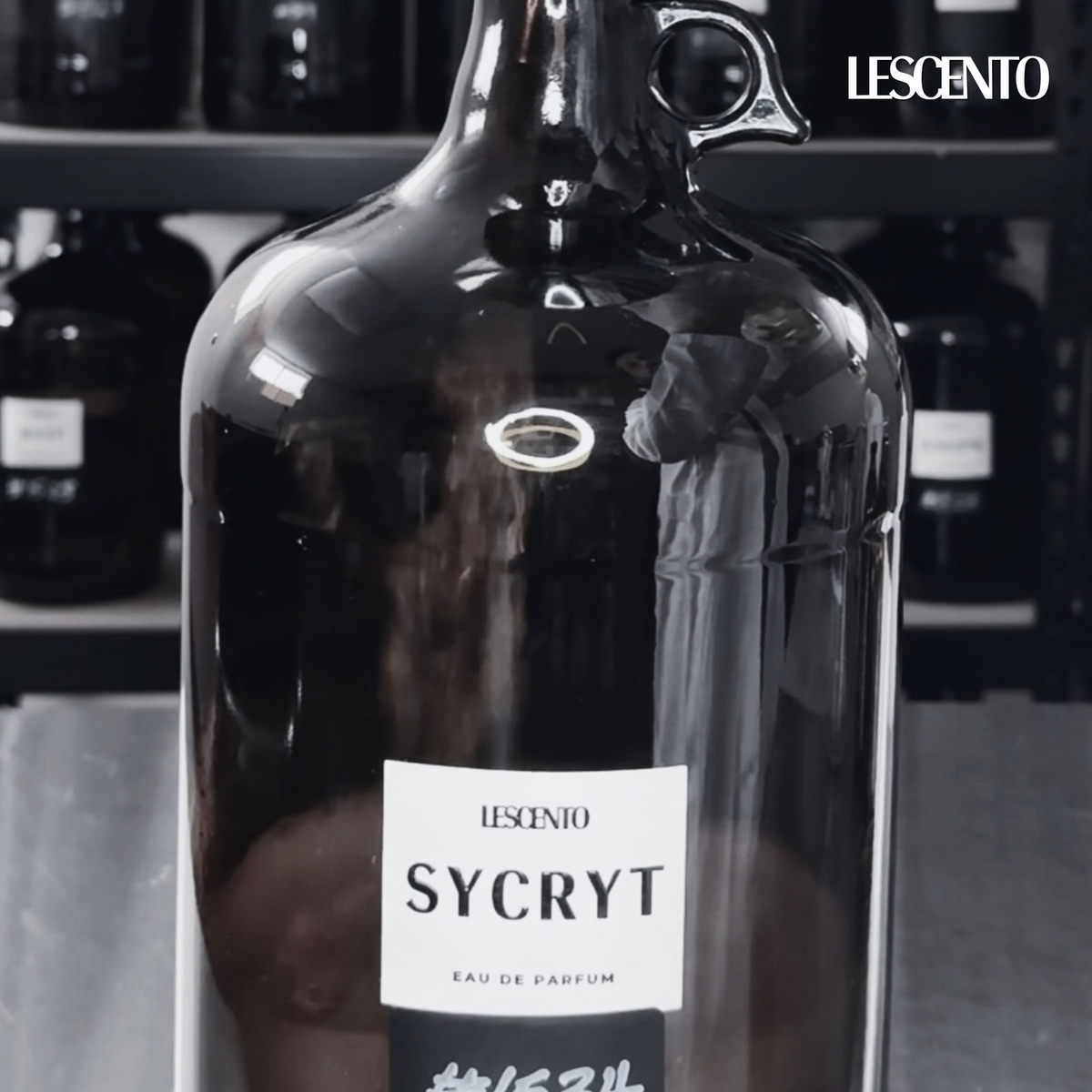
Or LESCENTO SYCRYT, where saffron, jasmine and citrus develop into amber, woods, vanilla and musk.
Each has its own character, inviting the wearer to choose a fragrance based on personal taste rather than popularity.
Niche does not automatically mean rare or exclusive. Some niche fragrances have become internationally famous. But the category offers a particularly rewarding space for those who enjoy exploring distinctive olfactory identities.
5. Do Niche Perfumes Last Longer?
One of the most frequently asked questions is whether niche perfumes last longer than designer perfumes.
The answer depends on the formulation, not the category.
Fragrance longevity is influenced by the aromatic materials used, their volatility, concentration, skin conditions and environment.
Certain woody, musky, resinous and amber materials can contribute to a lingering dry-down, while highly volatile citrus materials tend to create a more immediate opening.
A well composed fragrance is not simply one that lasts the longest.
It is one that develops beautifully, maintains its intended character and leaves an impression appropriate to its style.
Longevity is a technical characteristic. Distinction is an artistic one.
6. Are Niche Perfumes Worth It?
If fragrance is simply something pleasant to wear, the mainstream market offers countless options.
But if you see fragrance as an extension of your identity, niche perfumery opens a much more personal world.
It invites you to explore ingredients, discover unfamiliar combinations and experience how a composition changes on your skin.
It also encourages a different relationship with fragrance.
Rather than choosing a perfume because it is popular, you begin choosing one because it speaks to your own preferences.
And perhaps that is the greatest appeal of niche perfumery.
The freedom to smell like yourself, rather than everyone else.
Discover the World of LESCENTO
LESCENTO is an independent Canadian niche perfume house dedicated to creating distinctive fragrances in small batches.
From the refined warmth of CACHÉ to the smoky character of PARADIS BRÛLÉ and the luminous citrus woods of BERGAMOT IONIO, each creation expresses a different facet of contemporary perfumery.
Explore all nine fragrances through the LESCENTO's Discovery Minis Set.
Your discovery includes a private credit equal to the set's full purchase value, redeemable toward your chosen 100 ml fragrance.
LESCENTO
Niche, Not Noise.